Have you ever noticed that your face begins to appear shiny within a few hours of washing? If that’s the case, you’re not alone! Oily skin is one of the most common types of skin worldwide, especially in young adults who live in warmer climates.
Although sebum (skin’s natural oil) is important to protect your skin, excessive oil can lead to clogged pores, breakouts, and even irritation. However, the good news is that oily skin is simply a type of skin, not a defect. In fact, it can be the easiest thing to manage if you care properly.
All you have to do is know what your skin truly requires and stick to a routine that balances oil production rather than drastically removing it.
Understand Oily Skin Before Treating It
Before purchasing new products, it’s critical to comprehend the underlying causes of your skin’s excessive oil production. But keep in mind that a variety of factors, including your current skincare routine, hormonal fluctuations, genetics, and climate, can affect how oily your skin becomes.
Additionally, using harsh cleansers or not using moisturizer at all is one of the most frequent mistakes people with oily skin make. Yes, it makes sense, but this strategy frequently backfires.
The skin produces more oil to protect itself when it feels stripped or dehydrated. Because of this, the ideal skincare routine for oily skin always emphasizes balance rather than just getting rid of oil.
The Best Daily Skincare Routine for Oily Skin
10 steps or pricey products are not necessary for a successful skincare routine. Consistency and selecting light formulas that manage oil without overpowering your skin are what really make a difference.
Most oily skin types respond well to the dermatologist-approved routine. Here they are:
Step #1. Cleanse Gently and Thoroughly
Any skincare routine starts with cleansing. After all, it helps in the removal of daily buildup, excess oil, and dirt. However, it should never cause your skin to feel dry, tight, or irritated.
When selecting a cleanser for oily skin, you need to consider:
- Formulas based on gel or foam
- Ingredients that control oil, such as niacinamide or salicylic acid
- Labels like “non-comedogenic” or “oil-free.”
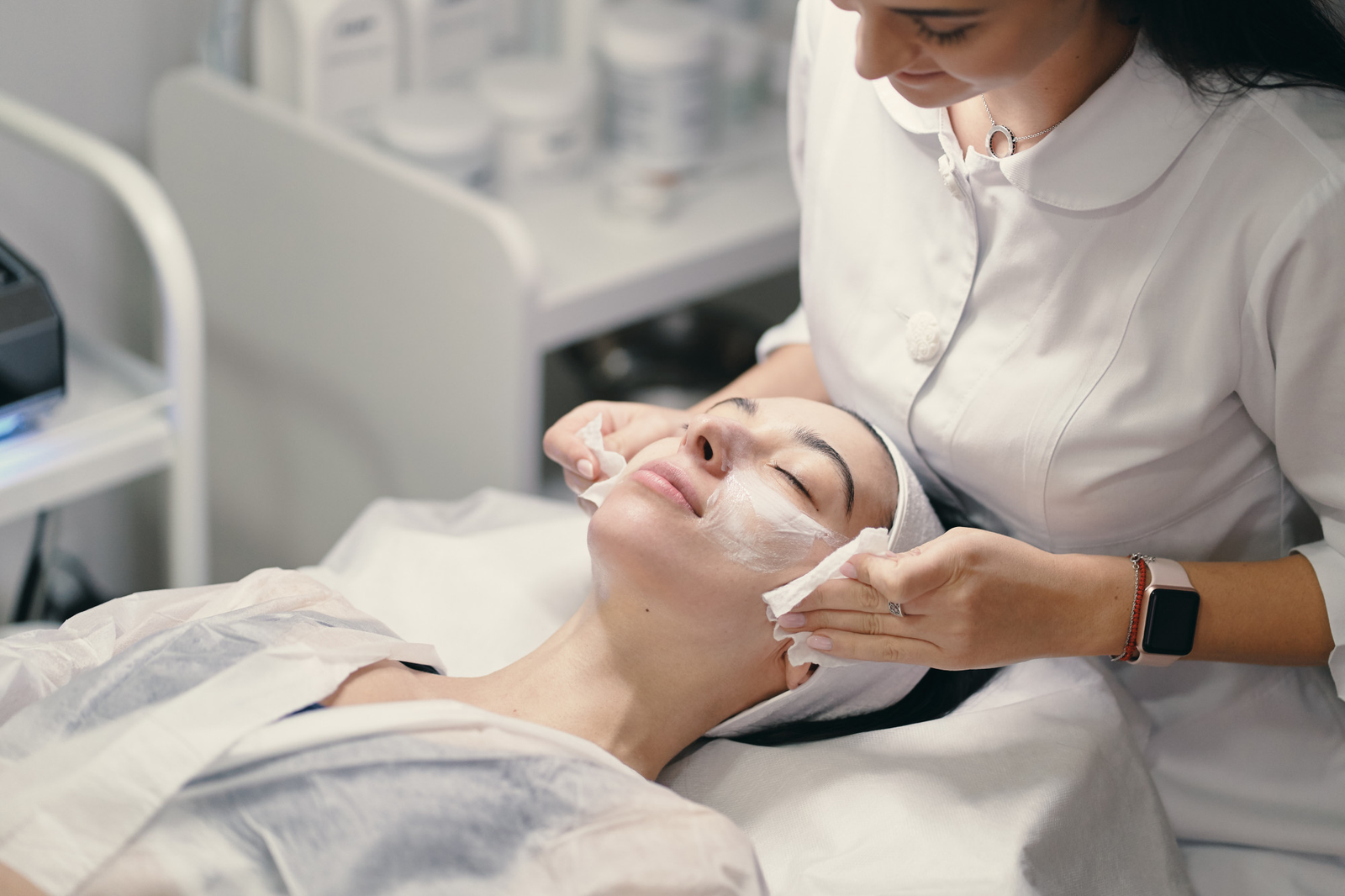
It’s also a nice idea to take facial services and exclusive skin treatments from time to time to let the professionals do their magic.
Step #2. Apply a Light Toner
Although they are not necessary, toners can be a useful addition if you have excessive shine or enlarged pores. While maintaining balanced oil levels, a well-made toner can re-energize the skin.
For oily skin, a good toner should:
- Steer clear of alcohol to prevent dryness.
- Include calming components like niacinamide, green tea, or witch hazel.
- Reduce redness and improve the appearance of pores.
Step #3. Treat With Targeted Serums
This is the stage where you can customize your routine and deal with particular issues like uneven skin texture, acne, or enlarged pores. Because serums are concentrated, a small amount goes a long way.
Among the practical choices are:
- Niacinamide helps control oil production and enhances the texture of the skin overall
- Salicylic acid to prevent breakouts and maintain clear pores
- Retinol is used at night to promote skin renewal and gradually manage acne.
Step #4. Do not Skip Moisturizer
Moisturizing is one of the most misunderstood steps in skincare for oily skin. Many people assume that skipping moisturizer will reduce shine. But the reality is something else.
When your skin lacks hydration, it tries to compensate by producing even more oil. And the solution isn’t avoiding moisturizer, but choosing the right texture.
So, try looking for:
- Gel- or water-based moisturizers
- Lightweight, oil-free formulas
- Hydrating ingredients like hyaluronic acid or glycerin
Step #5. Never Compromise on Sunscreen
And here comes another most crucial step.
Unfortunately, it’s common for people with oily skin to skip sunscreen out of fear of breakouts. But guess what? Unprotected sun exposure can actually increase oil production, enlarge pores, and make acne scars more noticeable over time.
So if you have oily skin, don’t forget to choose:
- Matte or gel-based sunscreens
- SPF 30 or higher
- Formulas labeled “non-comedogenic.”
Weekly Care: What to Add (and What to Avoid)
Daily care is essential, but weekly habits also make a big difference.
Exfoliation (1–2 Times a Week)
Exfoliating helps remove dead skin cells that trap oil and clog pores.
Best options:
- Chemical exfoliants with BHA (salicylic acid)
- Gentle formulas designed for oily or acne-prone skin
Avoid harsh scrubs, as they can irritate your skin and trigger more oil.
Face Masks for Oil Control
Clay masks can be especially helpful for oily skin when used correctly.
Use them:
- Once a week
- On oily areas like the T-zone
- To absorb excess oil and refine pores
Overusing masks can dry out your skin, so moderation is key.
Frequently Asked Questions
Q1. How Do I Stop My Face From Being So Oily?
This is one of the most common questions people ask. But remember that the answer isn’t a single product. And if you want to reduce excess oil, ensure that you stick to a consistent routine and avoid harsh cleansers and alcohol-based products. Also, choose makeup labeled “oil-free” or “matte” and moisturize daily, even if your skin feels oily.
Q2. What Do Dermatologists Recommend for Oily Skin?
Dermatologists generally agree on a few core principles. The first one is gentle cleansing twice daily. And then, they suggest lightweight, non-comedogenic products. You should also focus on ingredients like niacinamide, salicylic acid, and retinoids. And not to mention, daily sunscreen use is a must-do step.
Q3. What Is the 4-2-4 Rule in Skincare?
The 4-2-4 rule is a Korean skincare cleansing method that involves 4 minutes of oil cleansing, 2 minutes of foam cleansing, and 4 minutes of rinsing. For oily skin, a simple double cleanse (oil cleanser followed by a gentle foaming cleanser) works better, especially at night.
Final Thoughts
Oily skin doesn’t need aggressive treatments or complicated routines. In fact, the more gently and consistently you treat it, the better it behaves over time. The best skincare for oily skin focuses on balance, like opting for hydrafacials, hydrating without heaviness, and protecting without clogging pores.
Once you stop fighting your skin and start supporting it, excess oil becomes much easier to manage.